Buy yfe.eu ?
We are moving the project
yfe.eu .
Are you interested in purchasing the domain
yfe.eu ?
domain@kv-gmbh.de · 0541-91531010
Buy yfe.eu ?
How can one calculate the motor efficiency?
Motor efficiency can be calculated by dividing the output power of the motor by the input power required to run the motor. The output power is typically measured in watts or horsepower and represents the useful work done by the motor. The input power is the electrical power supplied to the motor, which can be measured using a power meter. By dividing the output power by the input power and multiplying by 100, you can determine the motor efficiency as a percentage. **
How can the motor efficiency be calculated?
Motor efficiency can be calculated by dividing the output power of the motor by the input power, and then multiplying the result by 100 to get a percentage. The output power can be determined by measuring the mechanical power output of the motor, while the input power can be calculated by measuring the electrical power input to the motor. By comparing the input and output power, the efficiency of the motor can be determined, with a higher percentage indicating a more efficient motor. **

Similar search terms for Motor
Top-Angebote
Products related to Motor:
-
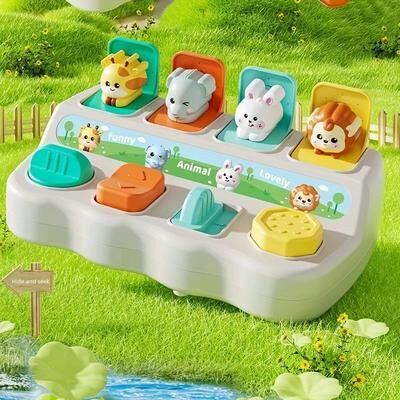
Inspired Living Montessori Pop Up Animal Learning Box For Fine Motor & Early Skill Development Montessori Pop Up Animal Learning Box For Fine Motor & Early Skill DevelopmentTurn playtime into a joyful learning experience with this engaging Montessori toy designed to spark curiosity and build essential skills. Created for toddlers and young children, this interactive pop up animal toy combines fun surprises with...23,97 $*Shipping: 0,00 $Secure redirect to the provider
-
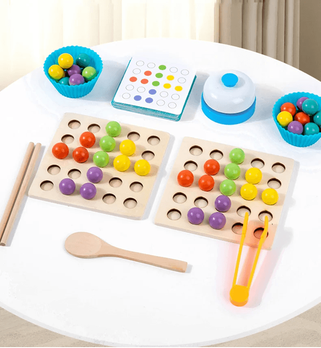
Inspire Essentials Montessori Wooden Bead Sorting Toy With Clip For Fine Motor Skill Development Montessori Wooden Bead Sorting Toy With Clip For Fine Motor Skill DevelopmentEncourage learning through play with this Montessori wooden toy designed to strengthen fine motor skills, color recognition, and hand eye coordination. Children use the clip to pick up and sort colorful beads, making the activity both educational...52,98 $*Shipping: 0,00 $Secure redirect to the provider
-
JoyToys Montessori Baby Sensory Tissue Box Early Learning Toy For Fine Motor Skill Development Montessori Baby Sensory Tissue Box Early Learning Toy For Fine Motor Skill DevelopmentExperience the joy of watching your little one learn through play with this Montessori baby toy designed to spark curiosity from the very first touch. This engaging sensory tissue box encourages babies to pull, grasp, explore, and discover while...34,97 $*Shipping: 0,00 $Secure redirect to the provider


-
How does motor development progress in infants?
Motor development in infants progresses in a predictable sequence, starting with reflexive movements such as sucking and grasping, and then moving on to more voluntary movements like rolling over, sitting up, crawling, and eventually walking. Infants typically gain control over their head and neck first, followed by their arms and then their legs. As they continue to develop, they become more coordinated and are able to perform more complex movements, such as reaching, grasping, and manipulating objects. This progression is influenced by a combination of genetic factors, environmental stimulation, and opportunities for practice and exploration. **
-
What is the efficiency of the motor and generator?
The efficiency of the motor and generator can be calculated by dividing the output power by the input power and multiplying by 100 to get a percentage. The efficiency of the motor and generator is typically high, with modern motors and generators achieving efficiencies of 80-95%. This means that the majority of the input power is converted into useful output power, with only a small percentage being lost as heat or other forms of energy. High efficiency is important for reducing energy consumption and operating costs in various applications, such as industrial machinery, electric vehicles, and renewable energy systems. **
-
Why don't all motor manufacturers use Freevalve technology?
Not all motor manufacturers use Freevalve technology because it requires a significant investment in research, development, and production. Implementing Freevalve technology also requires a shift in manufacturing processes and expertise, which can be a barrier for some companies. Additionally, some manufacturers may be hesitant to adopt new technology without proven long-term reliability and performance. Finally, there may be concerns about the potential impact on existing supply chains and partnerships. **
-
What is the difference between a DC motor and a stepper motor in CNC technology?
In CNC technology, a DC motor operates using direct current and rotates continuously, providing smooth and continuous motion. On the other hand, a stepper motor operates by dividing a full rotation into a number of equal steps, allowing for precise control over the movement of the machine. Stepper motors are commonly used in CNC machines for their ability to move in precise increments, while DC motors are often used for applications requiring continuous rotation. **

What is the difference between a direct current motor and a stepper motor in CNC technology?
A direct current (DC) motor operates by applying a constant voltage to the motor, resulting in continuous rotation. In contrast, a stepper motor operates by converting digital pulses into precise mechanical movements, allowing for accurate positioning and control. In CNC technology, stepper motors are commonly used for their ability to move in precise increments, making them ideal for applications that require high precision and control, such as 3D printing and CNC milling. On the other hand, DC motors are better suited for applications that require continuous and smooth rotation, such as conveyor belts and spindle drives. **
What is the power consumption of the motor and its efficiency?
The power consumption of a motor is the amount of electrical power it consumes to operate. It is typically measured in watts (W) or kilowatts (kW). The efficiency of a motor is a measure of how effectively it converts electrical power into mechanical power. It is expressed as a percentage and represents the ratio of the motor's mechanical power output to its electrical power input. A more efficient motor will have a higher percentage of power output compared to power input. **
Top-Angebote
Products related to Motor:
-
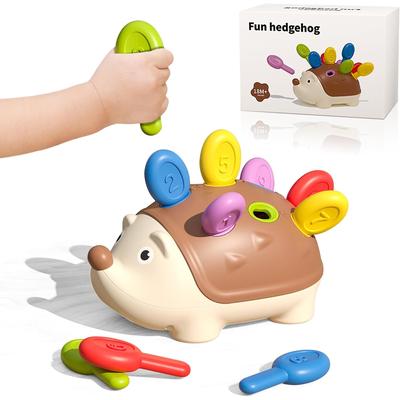
Playful Picks Montessori Hedgehog Color Sorting Educational Toddler Toy For Fine Motor Skills Development Montessori Hedgehog Color Sorting Educational Toddler Toy For Fine Motor Skills DevelopmentTurn early learning into a joyful daily adventure with a toy designed to spark curiosity and growth. The Montessori hedgehog toy is thoughtfully created for toddlers aged 13, helping them explore colors, counting, and coordination through handson...24,97 $*Shipping: 0,00 $Secure redirect to the provider
-
Tiny Tots Teens Trends Montessori Educational Toy, Hedgehog Fine Motor Skills, Toddler Counting, Sensory Development Montessori Educational Toy, Hedgehog Fine Motor Skills, Toddler Counting, Sensory DevelopmentHedgehog Montessori Educational Toy is a delightful and engaging learning tool designed to help toddlers develop essential fine motor skills, improve their concentration, and enhance sensory development. This toy promotes handson learning through...59,97 $*Shipping: 0,00 $Secure redirect to the provider
-
Inspired Living Montessori Pop Up Animal Learning Box For Fine Motor & Early Skill Development Montessori Pop Up Animal Learning Box For Fine Motor & Early Skill DevelopmentTurn playtime into a joyful learning experience with this engaging Montessori toy designed to spark curiosity and build essential skills. Created for toddlers and young children, this interactive pop up animal toy combines fun surprises with...23,97 $*Shipping: 0,00 $Secure redirect to the provider
-
Inspire Essentials Montessori Wooden Bead Sorting Toy With Clip For Fine Motor Skill Development Montessori Wooden Bead Sorting Toy With Clip For Fine Motor Skill DevelopmentEncourage learning through play with this Montessori wooden toy designed to strengthen fine motor skills, color recognition, and hand eye coordination. Children use the clip to pick up and sort colorful beads, making the activity both educational...52,98 $*Shipping: 0,00 $Secure redirect to the provider
-
How can one calculate the motor efficiency?
Motor efficiency can be calculated by dividing the output power of the motor by the input power required to run the motor. The output power is typically measured in watts or horsepower and represents the useful work done by the motor. The input power is the electrical power supplied to the motor, which can be measured using a power meter. By dividing the output power by the input power and multiplying by 100, you can determine the motor efficiency as a percentage. **
-
How can the motor efficiency be calculated?
Motor efficiency can be calculated by dividing the output power of the motor by the input power, and then multiplying the result by 100 to get a percentage. The output power can be determined by measuring the mechanical power output of the motor, while the input power can be calculated by measuring the electrical power input to the motor. By comparing the input and output power, the efficiency of the motor can be determined, with a higher percentage indicating a more efficient motor. **
-
How does motor development progress in infants?
Motor development in infants progresses in a predictable sequence, starting with reflexive movements such as sucking and grasping, and then moving on to more voluntary movements like rolling over, sitting up, crawling, and eventually walking. Infants typically gain control over their head and neck first, followed by their arms and then their legs. As they continue to develop, they become more coordinated and are able to perform more complex movements, such as reaching, grasping, and manipulating objects. This progression is influenced by a combination of genetic factors, environmental stimulation, and opportunities for practice and exploration. **
-
What is the efficiency of the motor and generator?
The efficiency of the motor and generator can be calculated by dividing the output power by the input power and multiplying by 100 to get a percentage. The efficiency of the motor and generator is typically high, with modern motors and generators achieving efficiencies of 80-95%. This means that the majority of the input power is converted into useful output power, with only a small percentage being lost as heat or other forms of energy. High efficiency is important for reducing energy consumption and operating costs in various applications, such as industrial machinery, electric vehicles, and renewable energy systems. **
Similar search terms for Motor
-
JoyToys Montessori Baby Sensory Tissue Box Early Learning Toy For Fine Motor Skill Development Montessori Baby Sensory Tissue Box Early Learning Toy For Fine Motor Skill DevelopmentExperience the joy of watching your little one learn through play with this Montessori baby toy designed to spark curiosity from the very first touch. This engaging sensory tissue box encourages babies to pull, grasp, explore, and discover while...34,97 $*Shipping: 0,00 $Secure redirect to the provider
-
Tiny Tots Teens Trends Interactive Dancing Duck Toy, Flashing Lights, Music & Motor Skill Development For Toddlers Interactive Dancing Duck Toy, Flashing Lights, Music & Motor Skill Development For ToddlersThe Interactive Dancing Duck Toy is a fun and educational toy designed for toddlers. With its flashing lights, cheerful music, and interactive dance movements, this toy keeps kids engaged while helping them develop motor skills, coordination, and...37,97 $*Shipping: 0,00 $Secure redirect to the provider
-
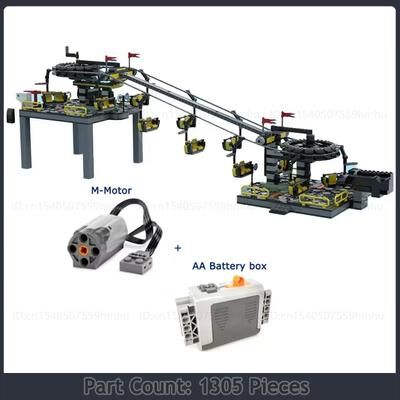
Inspire Daily Merch Chairlift Building Block Diy Technology Motor Puzzle Toy Educational Science Creative MOC Bricks Xmas Gifts with MotorUnleash Creativity with the Chairlift MOC Building Block Toy Bring engineering and creativity together with the GChairlift MOC Building Block Toy. This unique DIY assembly technology offers endless possibilities for both beginners and advanced...249,97 $*Shipping: 0,00 $Secure redirect to the provider
-
Why don't all motor manufacturers use Freevalve technology?
Not all motor manufacturers use Freevalve technology because it requires a significant investment in research, development, and production. Implementing Freevalve technology also requires a shift in manufacturing processes and expertise, which can be a barrier for some companies. Additionally, some manufacturers may be hesitant to adopt new technology without proven long-term reliability and performance. Finally, there may be concerns about the potential impact on existing supply chains and partnerships. **
-
What is the difference between a DC motor and a stepper motor in CNC technology?
In CNC technology, a DC motor operates using direct current and rotates continuously, providing smooth and continuous motion. On the other hand, a stepper motor operates by dividing a full rotation into a number of equal steps, allowing for precise control over the movement of the machine. Stepper motors are commonly used in CNC machines for their ability to move in precise increments, while DC motors are often used for applications requiring continuous rotation. **
-
What is the difference between a direct current motor and a stepper motor in CNC technology?
A direct current (DC) motor operates by applying a constant voltage to the motor, resulting in continuous rotation. In contrast, a stepper motor operates by converting digital pulses into precise mechanical movements, allowing for accurate positioning and control. In CNC technology, stepper motors are commonly used for their ability to move in precise increments, making them ideal for applications that require high precision and control, such as 3D printing and CNC milling. On the other hand, DC motors are better suited for applications that require continuous and smooth rotation, such as conveyor belts and spindle drives. **
-
What is the power consumption of the motor and its efficiency?
The power consumption of a motor is the amount of electrical power it consumes to operate. It is typically measured in watts (W) or kilowatts (kW). The efficiency of a motor is a measure of how effectively it converts electrical power into mechanical power. It is expressed as a percentage and represents the ratio of the motor's mechanical power output to its electrical power input. A more efficient motor will have a higher percentage of power output compared to power input. **
* All prices are inclusive of VAT and, if applicable, plus shipping costs. The offer information is based on the details provided by the respective shop and is updated through automated processes. Real-time updates do not occur, so deviations can occur in individual cases. ** Note: Parts of this content were created by AI.