Buy yfe.eu ?
We are moving the project
yfe.eu .
Are you interested in purchasing the domain
yfe.eu ?
domain@kv-gmbh.de · 0541-91531010
Buy yfe.eu ?
What are orchestral arrangements?
Orchestral arrangements refer to the musical composition and organization of a piece of music for an orchestra. This involves determining which instruments will play which parts, as well as the overall structure and dynamics of the piece. Orchestral arrangements can involve adapting a piece of music originally written for a different ensemble or creating a new arrangement of an existing composition. The goal of orchestral arrangements is to showcase the unique timbres and capabilities of the various instruments in the orchestra while creating a cohesive and expressive musical performance. **
What is an orchestral musician?
An orchestral musician is a professional musician who plays a musical instrument as part of an orchestra. They are highly skilled in their instrument and are able to perform a wide range of musical styles and genres. Orchestral musicians work together with other musicians in the orchestra to create a cohesive and harmonious sound, following the direction of a conductor. They often perform in concert halls, theaters, and other venues, bringing music to audiences around the world. **

Similar search terms for Orchestral
Top-Angebote
Products related to Orchestral:
-
Sesderma Reti Age 5 Liposomal Serum Anti-Aging Innovation 30mLA facial serum for wrinkles and signs of ageing. Reduces wrinkles and fine lines. Hydrates and strengthens barrier. Restores youthful radiance. 5-Retinoid System: smooths wrinkles, accelerates renewal, and boosts collagen. Biomimetic Peptides: fill expression lines by stimulating collagen synthesis.41,69 £*Shipping: 5,34 £Secure redirect to the provider
-
Kami Mini Indoor 1080p Wi-Fi Security Camera by YI Technology (YYS.2919) - WhiteKeep an eye on your home with the Kami Mini indoor security camera by YI Technology. It records 1080p Full HD video through a 112° wide-angle f/2.0 lens, with infrared night vision for low light and two-way audio through the built-in microphone and speaker. Face, human and sound detection help cut down unnecessary alerts, and motion notifications are sent to the Kami/YI app in real time. Footage can be saved to a microSD card or to YI cloud storage, and the camera works with Amazon Alexa.34,49 £*Shipping: 0,00 £Secure redirect to the provider


-
What are orchestral cyclic large forms?
Orchestral cyclic large forms are musical compositions that consist of multiple movements or sections that are thematically related and interconnected. These forms often feature recurring motifs or themes that unify the different parts of the composition. The cyclic nature of these forms allows for a sense of cohesion and continuity throughout the entire piece. Examples of orchestral cyclic large forms include symphonies, concertos, and tone poems. **
-
How can one compose virtual orchestral music?
To compose virtual orchestral music, one can start by choosing a digital audio workstation (DAW) software that supports orchestral sample libraries. Next, select high-quality orchestral sample libraries that include a variety of instruments such as strings, brass, woodwinds, and percussion. Then, familiarize oneself with the different articulations and techniques available for each instrument to create realistic and expressive performances. Finally, arrange the orchestral parts, paying attention to dynamics, phrasing, and balance to achieve a cohesive and emotive composition. **
-
How can one compose orchestral digital music?
To compose orchestral digital music, one can start by selecting a digital audio workstation (DAW) software that supports orchestral sounds and instruments. Next, they can choose high-quality orchestral sample libraries or virtual instruments to create realistic orchestral sounds. It is important to have a good understanding of orchestration and music theory to effectively arrange the different instruments in the composition. Experimenting with different combinations of instruments, melodies, harmonies, and rhythms can help in creating a dynamic and engaging orchestral piece. **
-
What is the orchestral lineup in classical music?
The orchestral lineup in classical music typically consists of four main sections: strings, woodwinds, brass, and percussion. Each section is made up of various instruments, with the strings section including instruments such as violins, violas, cellos, and double basses; the woodwinds section including instruments like flutes, clarinets, oboes, and bassoons; the brass section including instruments like trumpets, trombones, French horns, and tubas; and the percussion section including instruments like timpani, snare drums, cymbals, and xylophones. Additionally, some orchestras may also include other instruments such as harps, keyboards, and additional percussion instruments. **

What is the orchestral instrumentation in classical music?
Orchestral instrumentation in classical music typically includes four main families of instruments: strings (violins, violas, cellos, double basses), woodwinds (flutes, oboes, clarinets, bassoons), brass (trumpets, French horns, trombones, tuba), and percussion (timpani, snare drum, cymbals). Each family of instruments plays a unique role in creating the rich and diverse sound of the orchestra. The combination of these instruments allows composers to create a wide range of textures and dynamics in their compositions, making orchestral music one of the most versatile and expressive forms of music. **
Can you please give a presentation about orchestral instruments?
Orchestral instruments are divided into four main families: strings, woodwinds, brass, and percussion. String instruments include the violin, viola, cello, and double bass, which produce sound by vibrating strings. Woodwind instruments, such as the flute, clarinet, and oboe, create sound by blowing air through a mouthpiece. Brass instruments like the trumpet, trombone, and French horn produce sound by buzzing lips into a mouthpiece. Percussion instruments, including the timpani, snare drum, and cymbals, produce sound by being struck or shaken. Each family of instruments plays a unique role in an orchestra, coming together to create a harmonious and dynamic musical experience. **
Top-Angebote
Products related to Orchestral:
-
Rockburn RockJam Adjustable Orchestral Sheet Music StandThe deluxe orchsetral sheet music stand is a high quality, robust and sturdy stand fit for all purposes and playing positions. It features a large 475mm x 345mm book plate which can be angled, while its strurdy tripod base offers a confident stance wherever placed. Large 475mm x 345mm book plate with fully adjustable angle. Matt black finsh. Fully adjustable from 940mm to 1420mm (from floor to top). Model g905. Batteries (not included). Suitable for suitable for all sheet music. Size H61.5, W36.5, D12.5cm....38,49 £*Shipping: 0,00 £Secure redirect to the provider
-
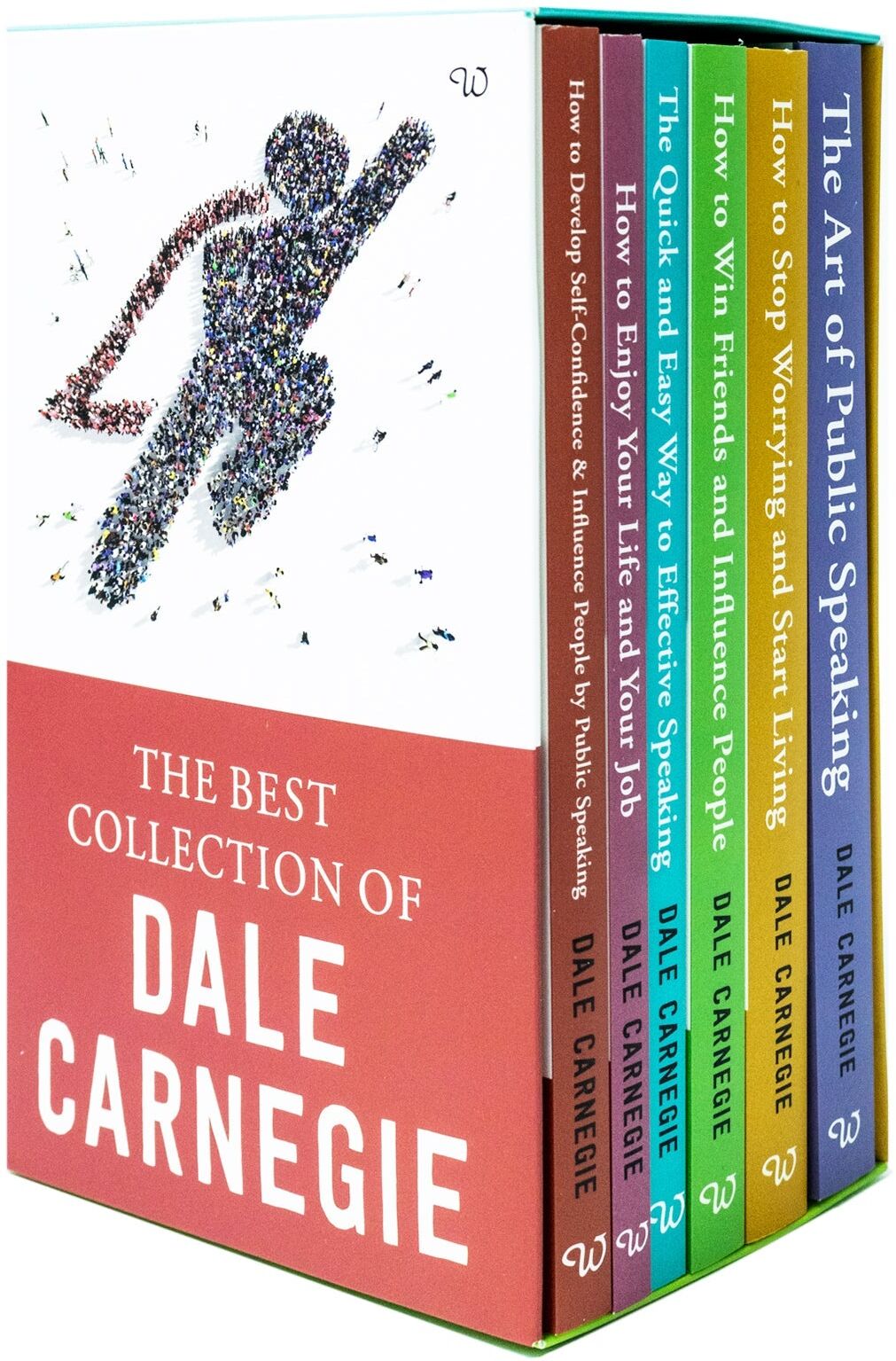
Vermilion Dale Carnegie Personal Development Collection – 6 Book Set Self-Help, Communication & Success ClassicsDale Carnegie Personal Development Collection 6 Books Set Transform your mindset, confidence, and communication skills with the Dale Carnegie Personal Development – 6 Books Collection Set by Dale Carnegie. This powerful collection brings together some of Carnegie’s most influential works on success, relationships, leadership, and personal growth. Known for his timeless principles and practical advice, Carnegie’s teachings have helped millions of readers improve their confidence, build meaningful relationships, and achieve their goals. Perfect for professionals, students, entrepreneurs, and anyone looking to grow personally and professionally, this set offers a complete guide to mastering communication and success. Why Readers Love This Collection: Includes 6 bestselling personal development books Timeless advice on communication, confidence, and leadership Easy-to-understand, practical strategies Ideal for beginners and experienced readers Perfect for self-improvement and career growth A must-have for anyone serious about personal development, the Dale Carnegie Collection delivers proven principles for success in life and work. Description How to Develop Self-confidence and Influence People by Public Speaking Drawing on Dale years of experience as a business trainer this book will show you how to overcome the natural fear of public speaking, to become a successful speaker and even learn to enjoy it. How To Stop Worrying And Start Living Worry affects everyone and descends with ease upon work, money, family life and relationships. This book offers practical strategies for breaking out of this destructive before it breaks you. How To Enjoy Your Life And Job Life is very much what we make it, and since most of us spend the greater part of our lives at work, it follows that we should be making the best of our working lives. This book demonstrates that anyone can achieve greater satisfaction in both their home life and their job by learning to integrate business, social and personal . The Quick And Easy Way To Effective Speaking Good public speakers are made, not born - or so thinks Dale Carnegie, the pioneer of personal business skills. Yet business, social and personal satisfaction depend heavily upon a persons ability to communicate clearly. Public speaking is an important skill which anyone can acquire and develop. The Art of Public Speaking Carnegie draws upon his experience as a salesman and lecturer to counsel readers on how to overcome self-consciousness and express themselves in an easy-to-understand, high-impact manner. How to Win Friends and Influence People His advice has stood the test of time and will teach you how to make friends quickly and easily, increase your popularity, persuade people to follow your way of thinking, enable you to win new clients and customers, become a better speaker, boost enthusiasm among your colleagues. Tags; Dale Carnegie Books10,99 £*Shipping: 2,99 £Secure redirect to the provider
-
What are orchestral arrangements?
Orchestral arrangements refer to the musical composition and organization of a piece of music for an orchestra. This involves determining which instruments will play which parts, as well as the overall structure and dynamics of the piece. Orchestral arrangements can involve adapting a piece of music originally written for a different ensemble or creating a new arrangement of an existing composition. The goal of orchestral arrangements is to showcase the unique timbres and capabilities of the various instruments in the orchestra while creating a cohesive and expressive musical performance. **
-
What is an orchestral musician?
An orchestral musician is a professional musician who plays a musical instrument as part of an orchestra. They are highly skilled in their instrument and are able to perform a wide range of musical styles and genres. Orchestral musicians work together with other musicians in the orchestra to create a cohesive and harmonious sound, following the direction of a conductor. They often perform in concert halls, theaters, and other venues, bringing music to audiences around the world. **
-
What are orchestral cyclic large forms?
Orchestral cyclic large forms are musical compositions that consist of multiple movements or sections that are thematically related and interconnected. These forms often feature recurring motifs or themes that unify the different parts of the composition. The cyclic nature of these forms allows for a sense of cohesion and continuity throughout the entire piece. Examples of orchestral cyclic large forms include symphonies, concertos, and tone poems. **
-
How can one compose virtual orchestral music?
To compose virtual orchestral music, one can start by choosing a digital audio workstation (DAW) software that supports orchestral sample libraries. Next, select high-quality orchestral sample libraries that include a variety of instruments such as strings, brass, woodwinds, and percussion. Then, familiarize oneself with the different articulations and techniques available for each instrument to create realistic and expressive performances. Finally, arrange the orchestral parts, paying attention to dynamics, phrasing, and balance to achieve a cohesive and emotive composition. **
Similar search terms for Orchestral
-
Sesderma Reti Age 5 Liposomal Serum Anti-Aging Innovation 30mLA facial serum for wrinkles and signs of ageing. Reduces wrinkles and fine lines. Hydrates and strengthens barrier. Restores youthful radiance. 5-Retinoid System: smooths wrinkles, accelerates renewal, and boosts collagen. Biomimetic Peptides: fill expression lines by stimulating collagen synthesis.41,69 £*Shipping: 5,34 £Secure redirect to the provider
-
Kami Mini Indoor 1080p Wi-Fi Security Camera by YI Technology (YYS.2919) - WhiteKeep an eye on your home with the Kami Mini indoor security camera by YI Technology. It records 1080p Full HD video through a 112° wide-angle f/2.0 lens, with infrared night vision for low light and two-way audio through the built-in microphone and speaker. Face, human and sound detection help cut down unnecessary alerts, and motion notifications are sent to the Kami/YI app in real time. Footage can be saved to a microSD card or to YI cloud storage, and the camera works with Amazon Alexa.34,49 £*Shipping: 0,00 £Secure redirect to the provider
-
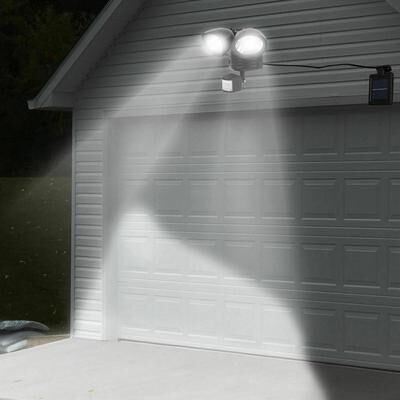
All Categories Goods LED Solar Security Light Dual Motion Sensor Outdoor Floodlight With LED Technology For Energy Efficient Illumination LED Solar Security Light Dual Motion Sensor Outdoor Floodlight With LED Technology For Energy Efficient IlluminationBrighten your outdoor space with the 1 pcs of 22 LED Solar Security Light, designed for maximum visibility and security. Powered by ecofriendly solar energy, this motion sensor floodlight activates when movement is detected, offering both...63,97 $*Shipping: 0,00 $Secure redirect to the provider
-
How can one compose orchestral digital music?
To compose orchestral digital music, one can start by selecting a digital audio workstation (DAW) software that supports orchestral sounds and instruments. Next, they can choose high-quality orchestral sample libraries or virtual instruments to create realistic orchestral sounds. It is important to have a good understanding of orchestration and music theory to effectively arrange the different instruments in the composition. Experimenting with different combinations of instruments, melodies, harmonies, and rhythms can help in creating a dynamic and engaging orchestral piece. **
-
What is the orchestral lineup in classical music?
The orchestral lineup in classical music typically consists of four main sections: strings, woodwinds, brass, and percussion. Each section is made up of various instruments, with the strings section including instruments such as violins, violas, cellos, and double basses; the woodwinds section including instruments like flutes, clarinets, oboes, and bassoons; the brass section including instruments like trumpets, trombones, French horns, and tubas; and the percussion section including instruments like timpani, snare drums, cymbals, and xylophones. Additionally, some orchestras may also include other instruments such as harps, keyboards, and additional percussion instruments. **
-
What is the orchestral instrumentation in classical music?
Orchestral instrumentation in classical music typically includes four main families of instruments: strings (violins, violas, cellos, double basses), woodwinds (flutes, oboes, clarinets, bassoons), brass (trumpets, French horns, trombones, tuba), and percussion (timpani, snare drum, cymbals). Each family of instruments plays a unique role in creating the rich and diverse sound of the orchestra. The combination of these instruments allows composers to create a wide range of textures and dynamics in their compositions, making orchestral music one of the most versatile and expressive forms of music. **
-
Can you please give a presentation about orchestral instruments?
Orchestral instruments are divided into four main families: strings, woodwinds, brass, and percussion. String instruments include the violin, viola, cello, and double bass, which produce sound by vibrating strings. Woodwind instruments, such as the flute, clarinet, and oboe, create sound by blowing air through a mouthpiece. Brass instruments like the trumpet, trombone, and French horn produce sound by buzzing lips into a mouthpiece. Percussion instruments, including the timpani, snare drum, and cymbals, produce sound by being struck or shaken. Each family of instruments plays a unique role in an orchestra, coming together to create a harmonious and dynamic musical experience. **
* All prices are inclusive of VAT and, if applicable, plus shipping costs. The offer information is based on the details provided by the respective shop and is updated through automated processes. Real-time updates do not occur, so deviations can occur in individual cases. ** Note: Parts of this content were created by AI.