Buy yfe.eu ?
We are moving the project
yfe.eu .
Are you interested in purchasing the domain
yfe.eu ?
domain@kv-gmbh.de · 0541-91531010
Buy yfe.eu ?
What is the Socratic question?
The Socratic question is a method of philosophical inquiry attributed to the ancient Greek philosopher Socrates. It involves asking probing questions to stimulate critical thinking, challenge assumptions, and uncover underlying beliefs or knowledge. The goal of the Socratic question is to encourage self-examination and deeper understanding of a topic or issue through a process of dialogue and inquiry. **
What is a Socratic dialogue?
A Socratic dialogue is a method of philosophical inquiry developed by the ancient Greek philosopher Socrates. It involves a conversation between two or more individuals, typically with Socrates as the main interlocutor, in which they engage in a series of questions and answers to explore and clarify their understanding of a particular topic or concept. The dialogue is aimed at uncovering underlying assumptions, challenging beliefs, and arriving at a deeper understanding of the subject matter through critical thinking and self-examination. Socratic dialogues are characterized by their open-ended and exploratory nature, as well as their emphasis on the pursuit of truth and wisdom through rational inquiry. **

Similar search terms for Socratic
Top-Angebote
Products related to Socratic:
-
All Categories Goods LED Solar Security Light Dual Motion Sensor Outdoor Floodlight With LED Technology For Energy Efficient Illumination LED Solar Security Light Dual Motion Sensor Outdoor Floodlight With LED Technology For Energy Efficient IlluminationBrighten your outdoor space with the 1 pcs of 22 LED Solar Security Light, designed for maximum visibility and security. Powered by ecofriendly solar energy, this motion sensor floodlight activates when movement is detected, offering both...63,97 $*Shipping: 0,00 $Secure redirect to the provider
-
Wilco International LLP How to Win Friends and Influence People by Dale Carnegie Classic Self Help Book on Communication, Leadership, Confidence & Personal DevelopmentDiscover one of the world's best-known personal development books with How to Win Friends and Influence People by Dale Carnegie. First published in 1936, this enduring classic presents practical principles for communicating effectively, building positive relationships and working successfully with other people. Through memorable examples and straightforward advice, Carnegie explores how to make a positive impression, handle disagreements constructively, encourage cooperation and become a more effective communicator. The principles can be applied across everyday life, from personal relationships and social situations to business, management, sales, networking and leadership. Accessible and practical, How to Win Friends and Influence People remains popular with readers interested in improving their communication skills, confidence, interpersonal relationships and professional development. Key Features Classic personal development book by Dale Carnegie Practical principles for improving communication Explores relationships, leadership and interpersonal skills Useful for business, management, sales and networking Helps readers understand effective people skills Suitable for personal and professional development Excellent gift for entrepreneurs, managers and self-improvement readers9,99 £*Shipping: 2,99 £Secure redirect to the provider



-
What is the Socratic method of elenchus?
The Socratic method of elenchus is a form of cooperative argumentative dialogue between individuals, based on asking and answering questions to stimulate critical thinking and to draw out ideas and underlying presumptions. It is named after the classical Greek philosopher Socrates, who used this method to help others discover their own beliefs and understand the flaws in their reasoning. Through a series of probing questions, the Socratic method aims to uncover contradictions and inconsistencies in one's beliefs, leading to a deeper understanding and potential revision of those beliefs. **
-
What is the Socratic turn? Please help.
The Socratic turn refers to the shift in philosophical inquiry initiated by the ancient Greek philosopher Socrates. This shift involved a move away from seeking absolute truths and instead focused on questioning and examining beliefs and assumptions. Socrates' method of inquiry, known as the Socratic method, involved engaging in dialogue with others to uncover contradictions and inconsistencies in their beliefs, ultimately leading to a deeper understanding of the subject at hand. The Socratic turn has had a lasting impact on philosophy and continues to influence critical thinking and intellectual inquiry. **
-
Can you provide an explanation of Socratic reasoning?
Socratic reasoning, also known as the Socratic method, is a form of cooperative argumentative dialogue between individuals, based on asking and answering questions to stimulate critical thinking and illuminate ideas. It involves a series of questions and answers that help uncover underlying assumptions, challenge beliefs, and arrive at a deeper understanding of a topic. Socratic reasoning aims to promote self-discovery and intellectual growth by encouraging individuals to examine their own thoughts and beliefs through a process of inquiry and discussion. This method is often used in educational settings to foster active learning and develop analytical skills. **
-
Is the Socratic dialogue a non-coercive dialogue?
Yes, the Socratic dialogue is a non-coercive dialogue. Socrates believed in the power of rational discussion and persuasion, rather than force or coercion, to arrive at truth and understanding. In the Socratic method, participants engage in open and respectful dialogue, questioning and challenging each other's ideas in a collaborative pursuit of knowledge. This approach emphasizes the importance of free inquiry and critical thinking, making it a non-coercive form of dialogue. **


What are the steps of the Socratic method?
The Socratic method involves a series of steps to stimulate critical thinking and uncover underlying assumptions. The first step is to ask a question related to a specific topic. Then, the respondent provides an initial answer. Next, the questioner probes further with more questions to challenge the respondent's assumptions and encourage deeper reflection. This process continues until a more refined understanding or conclusion is reached. **
Does dialectics correspond to the Socratic method of maieutics?
Dialectics and the Socratic method of maieutics share some similarities, as both involve a process of questioning and dialogue to arrive at a deeper understanding of a topic. However, dialectics typically involves a more structured and systematic approach to examining opposing viewpoints and resolving contradictions, while maieutics focuses on helping individuals discover their own beliefs and knowledge through a series of probing questions. In essence, dialectics aims to uncover the truth through logical reasoning and argumentation, while maieutics aims to bring forth latent knowledge through self-reflection and inquiry. **
Top-Angebote
Products related to Socratic:
-
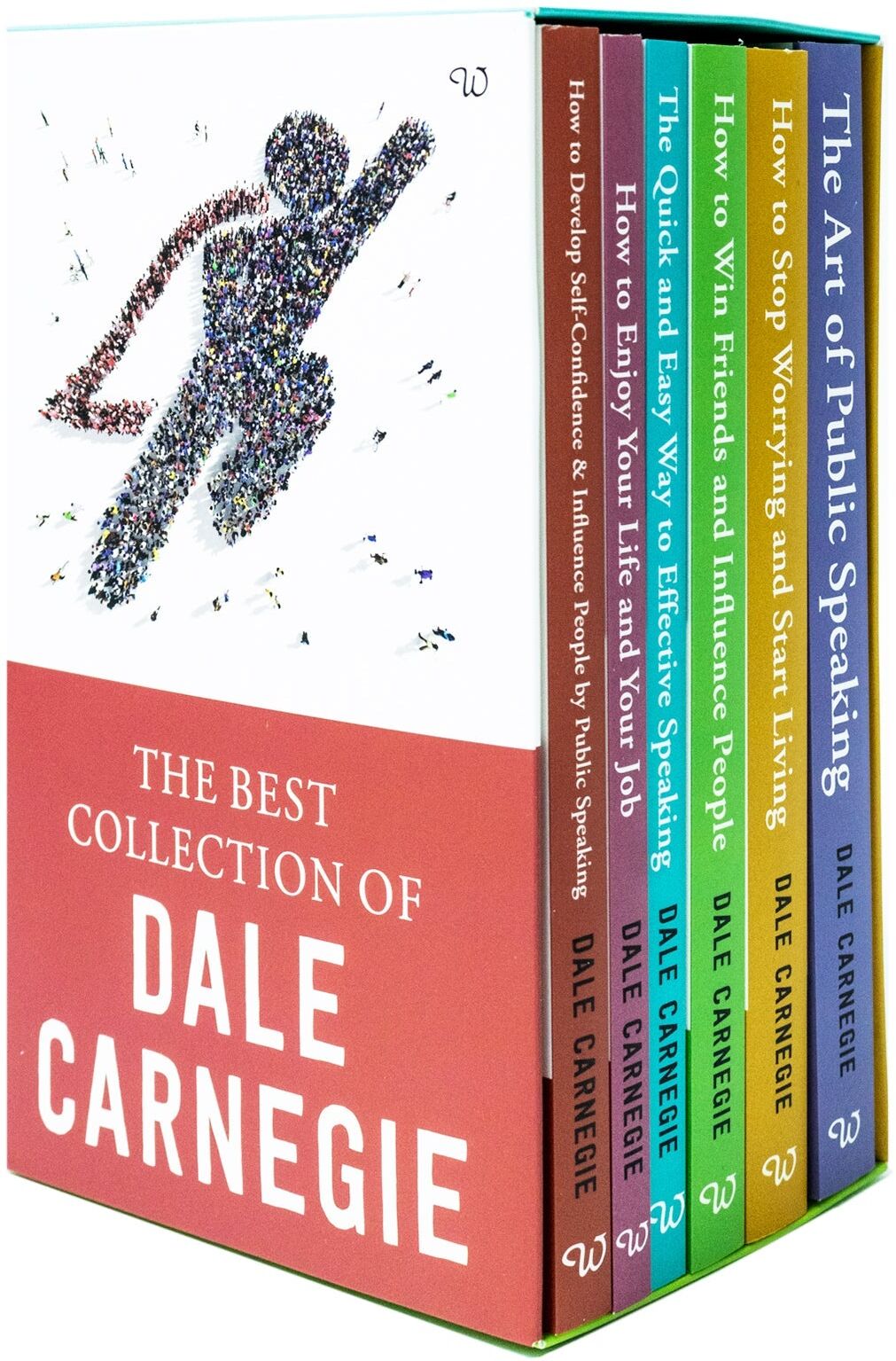
Vermilion Dale Carnegie Personal Development Collection – 6 Book Set Self-Help, Communication & Success ClassicsDale Carnegie Personal Development Collection 6 Books Set Transform your mindset, confidence, and communication skills with the Dale Carnegie Personal Development – 6 Books Collection Set by Dale Carnegie. This powerful collection brings together some of Carnegie’s most influential works on success, relationships, leadership, and personal growth. Known for his timeless principles and practical advice, Carnegie’s teachings have helped millions of readers improve their confidence, build meaningful relationships, and achieve their goals. Perfect for professionals, students, entrepreneurs, and anyone looking to grow personally and professionally, this set offers a complete guide to mastering communication and success. Why Readers Love This Collection: Includes 6 bestselling personal development books Timeless advice on communication, confidence, and leadership Easy-to-understand, practical strategies Ideal for beginners and experienced readers Perfect for self-improvement and career growth A must-have for anyone serious about personal development, the Dale Carnegie Collection delivers proven principles for success in life and work. Description How to Develop Self-confidence and Influence People by Public Speaking Drawing on Dale years of experience as a business trainer this book will show you how to overcome the natural fear of public speaking, to become a successful speaker and even learn to enjoy it. How To Stop Worrying And Start Living Worry affects everyone and descends with ease upon work, money, family life and relationships. This book offers practical strategies for breaking out of this destructive before it breaks you. How To Enjoy Your Life And Job Life is very much what we make it, and since most of us spend the greater part of our lives at work, it follows that we should be making the best of our working lives. This book demonstrates that anyone can achieve greater satisfaction in both their home life and their job by learning to integrate business, social and personal . The Quick And Easy Way To Effective Speaking Good public speakers are made, not born - or so thinks Dale Carnegie, the pioneer of personal business skills. Yet business, social and personal satisfaction depend heavily upon a persons ability to communicate clearly. Public speaking is an important skill which anyone can acquire and develop. The Art of Public Speaking Carnegie draws upon his experience as a salesman and lecturer to counsel readers on how to overcome self-consciousness and express themselves in an easy-to-understand, high-impact manner. How to Win Friends and Influence People His advice has stood the test of time and will teach you how to make friends quickly and easily, increase your popularity, persuade people to follow your way of thinking, enable you to win new clients and customers, become a better speaker, boost enthusiasm among your colleagues. Tags; Dale Carnegie Books10,99 £*Shipping: 2,99 £Secure redirect to the provider
-
All Categories Goods LED Solar Security Light Dual Motion Sensor Outdoor Floodlight With LED Technology For Energy Efficient Illumination LED Solar Security Light Dual Motion Sensor Outdoor Floodlight With LED Technology For Energy Efficient IlluminationBrighten your outdoor space with the 1 pcs of 22 LED Solar Security Light, designed for maximum visibility and security. Powered by ecofriendly solar energy, this motion sensor floodlight activates when movement is detected, offering both...63,97 $*Shipping: 0,00 $Secure redirect to the provider
-
What is the Socratic question?
The Socratic question is a method of philosophical inquiry attributed to the ancient Greek philosopher Socrates. It involves asking probing questions to stimulate critical thinking, challenge assumptions, and uncover underlying beliefs or knowledge. The goal of the Socratic question is to encourage self-examination and deeper understanding of a topic or issue through a process of dialogue and inquiry. **
-
What is a Socratic dialogue?
A Socratic dialogue is a method of philosophical inquiry developed by the ancient Greek philosopher Socrates. It involves a conversation between two or more individuals, typically with Socrates as the main interlocutor, in which they engage in a series of questions and answers to explore and clarify their understanding of a particular topic or concept. The dialogue is aimed at uncovering underlying assumptions, challenging beliefs, and arriving at a deeper understanding of the subject matter through critical thinking and self-examination. Socratic dialogues are characterized by their open-ended and exploratory nature, as well as their emphasis on the pursuit of truth and wisdom through rational inquiry. **
-
What is the Socratic method of elenchus?
The Socratic method of elenchus is a form of cooperative argumentative dialogue between individuals, based on asking and answering questions to stimulate critical thinking and to draw out ideas and underlying presumptions. It is named after the classical Greek philosopher Socrates, who used this method to help others discover their own beliefs and understand the flaws in their reasoning. Through a series of probing questions, the Socratic method aims to uncover contradictions and inconsistencies in one's beliefs, leading to a deeper understanding and potential revision of those beliefs. **
-
What is the Socratic turn? Please help.
The Socratic turn refers to the shift in philosophical inquiry initiated by the ancient Greek philosopher Socrates. This shift involved a move away from seeking absolute truths and instead focused on questioning and examining beliefs and assumptions. Socrates' method of inquiry, known as the Socratic method, involved engaging in dialogue with others to uncover contradictions and inconsistencies in their beliefs, ultimately leading to a deeper understanding of the subject at hand. The Socratic turn has had a lasting impact on philosophy and continues to influence critical thinking and intellectual inquiry. **
Similar search terms for Socratic
-
Wilco International LLP How to Win Friends and Influence People by Dale Carnegie Classic Self Help Book on Communication, Leadership, Confidence & Personal DevelopmentDiscover one of the world's best-known personal development books with How to Win Friends and Influence People by Dale Carnegie. First published in 1936, this enduring classic presents practical principles for communicating effectively, building positive relationships and working successfully with other people. Through memorable examples and straightforward advice, Carnegie explores how to make a positive impression, handle disagreements constructively, encourage cooperation and become a more effective communicator. The principles can be applied across everyday life, from personal relationships and social situations to business, management, sales, networking and leadership. Accessible and practical, How to Win Friends and Influence People remains popular with readers interested in improving their communication skills, confidence, interpersonal relationships and professional development. Key Features Classic personal development book by Dale Carnegie Practical principles for improving communication Explores relationships, leadership and interpersonal skills Useful for business, management, sales and networking Helps readers understand effective people skills Suitable for personal and professional development Excellent gift for entrepreneurs, managers and self-improvement readers9,99 £*Shipping: 2,99 £Secure redirect to the provider
-
Can you provide an explanation of Socratic reasoning?
Socratic reasoning, also known as the Socratic method, is a form of cooperative argumentative dialogue between individuals, based on asking and answering questions to stimulate critical thinking and illuminate ideas. It involves a series of questions and answers that help uncover underlying assumptions, challenge beliefs, and arrive at a deeper understanding of a topic. Socratic reasoning aims to promote self-discovery and intellectual growth by encouraging individuals to examine their own thoughts and beliefs through a process of inquiry and discussion. This method is often used in educational settings to foster active learning and develop analytical skills. **
-
Is the Socratic dialogue a non-coercive dialogue?
Yes, the Socratic dialogue is a non-coercive dialogue. Socrates believed in the power of rational discussion and persuasion, rather than force or coercion, to arrive at truth and understanding. In the Socratic method, participants engage in open and respectful dialogue, questioning and challenging each other's ideas in a collaborative pursuit of knowledge. This approach emphasizes the importance of free inquiry and critical thinking, making it a non-coercive form of dialogue. **
-
What are the steps of the Socratic method?
The Socratic method involves a series of steps to stimulate critical thinking and uncover underlying assumptions. The first step is to ask a question related to a specific topic. Then, the respondent provides an initial answer. Next, the questioner probes further with more questions to challenge the respondent's assumptions and encourage deeper reflection. This process continues until a more refined understanding or conclusion is reached. **
-
Does dialectics correspond to the Socratic method of maieutics?
Dialectics and the Socratic method of maieutics share some similarities, as both involve a process of questioning and dialogue to arrive at a deeper understanding of a topic. However, dialectics typically involves a more structured and systematic approach to examining opposing viewpoints and resolving contradictions, while maieutics focuses on helping individuals discover their own beliefs and knowledge through a series of probing questions. In essence, dialectics aims to uncover the truth through logical reasoning and argumentation, while maieutics aims to bring forth latent knowledge through self-reflection and inquiry. **
* All prices are inclusive of VAT and, if applicable, plus shipping costs. The offer information is based on the details provided by the respective shop and is updated through automated processes. Real-time updates do not occur, so deviations can occur in individual cases. ** Note: Parts of this content were created by AI.